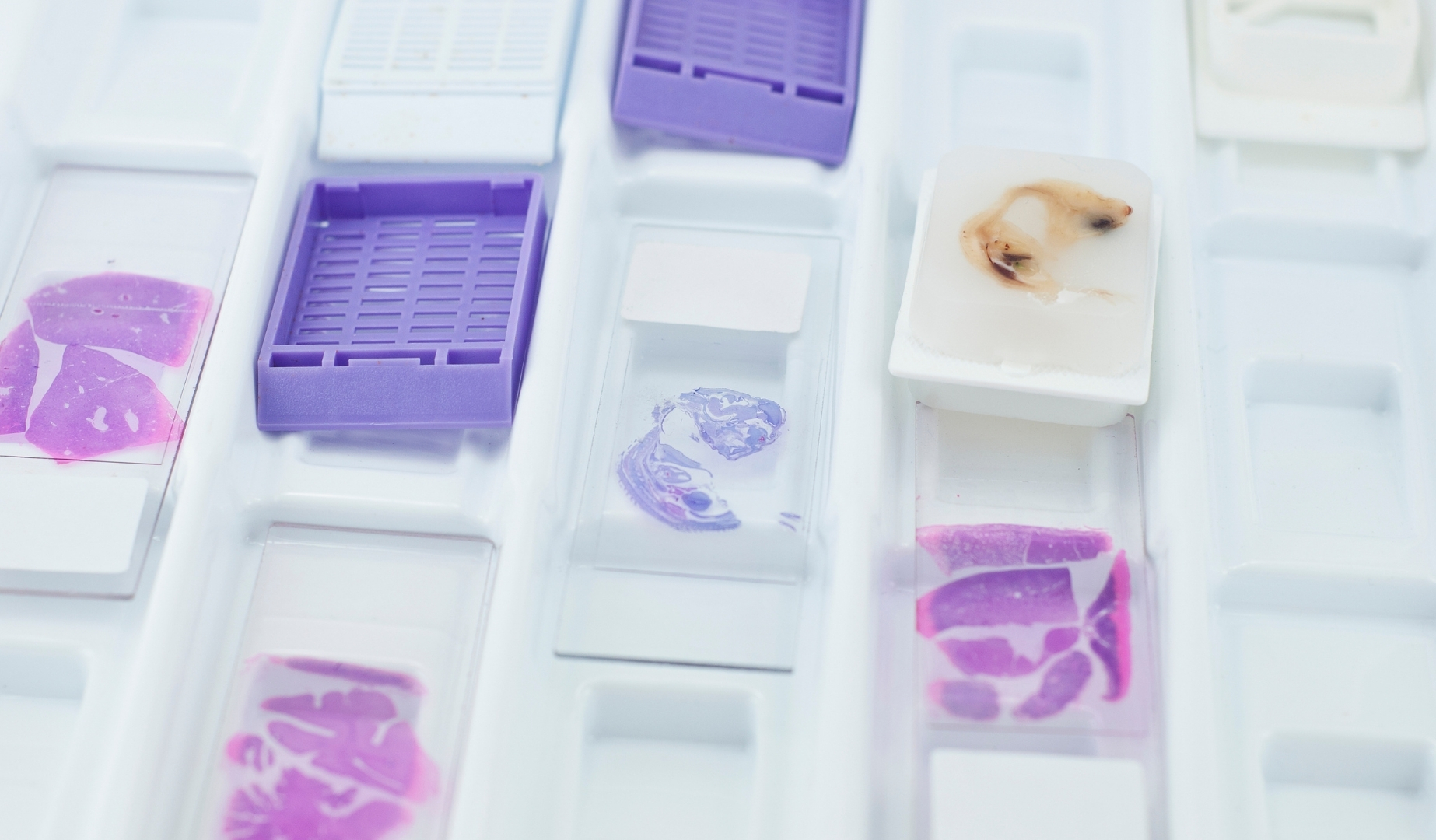
When a brain sample is examined at the Institute Born-Bunge (IBB), the goal is to confirm a diagnosis and better understand disease. For example, to clarify the exact pathology behind frontotemporal dementia or Parkinson’s disease. But occasionally, that same analysis reveals something that was not part of the original question, such as an additional pathology or a feature that points to a different underlying condition.
Such situations are uncommon, as most analyses are highly targeted and incidental findings remain rare. Advances in technology can, however, change how existing material is interpreted. In her research on frontotemporal dementia, Dr. Anne Sieben, pathologist and neurologist at IBB, revisited archived brain samples from the IBB collection. These samples had been analyzed years earlier, using the techniques available at the time.
“By re-examining existing material with more advanced techniques, we were able to identify patterns that had previously gone unnoticed. In some cases, this revealed a hereditary component that had not been recognized at the time of the original diagnosis.”
Dr. Anne Sieben, pathologist and neurologist at IBB
This raises an important question: if something unexpected is found, is the patient or their family informed?
At IBB, samples are always handled with strict safeguards. Within the Neurobiobank, material is linked to clinical data, but once it is used for research, a clear separation is in place. Researchers work with coded or anonymized data and cannot directly identify the person behind a sample.
In rare cases where a researcher identifies something unexpected, any potential follow-up depends on the available clinical link and prior informed consent. Donors or their families can indicate in advance whether they wish to be notified of unexpected findings beyond the original diagnostic or research question. If they do, we assess on a case-by-case basis whether and how such information can be communicated via the treating physician.
These situations highlight the balance biobanks navigate every day: respecting consent and privacy, while enabling research that continues to generate new insights over time.