How much of young-onset dementia is hereditary? And how much can we know, or want to know, about our own risk?
These are the questions explored in a recent in-depth article following journalist Sophie Pycke, whose father was diagnosed with early-onset Alzheimer’s disease. Years later, she revisits his diagnosis and reflects on what advances in genetics and neuroscience might mean for her own future.
In the article, she reconnects with neurologist Patrick Cras, who originally diagnosed her father, and explores how both science and our understanding of risk have evolved over time.
One of the insights is how quickly the field has evolved. Where genetic testing once focused on just a few genes, today broader panels and ongoing discoveries are reshaping our understanding of neurodegenerative diseases.
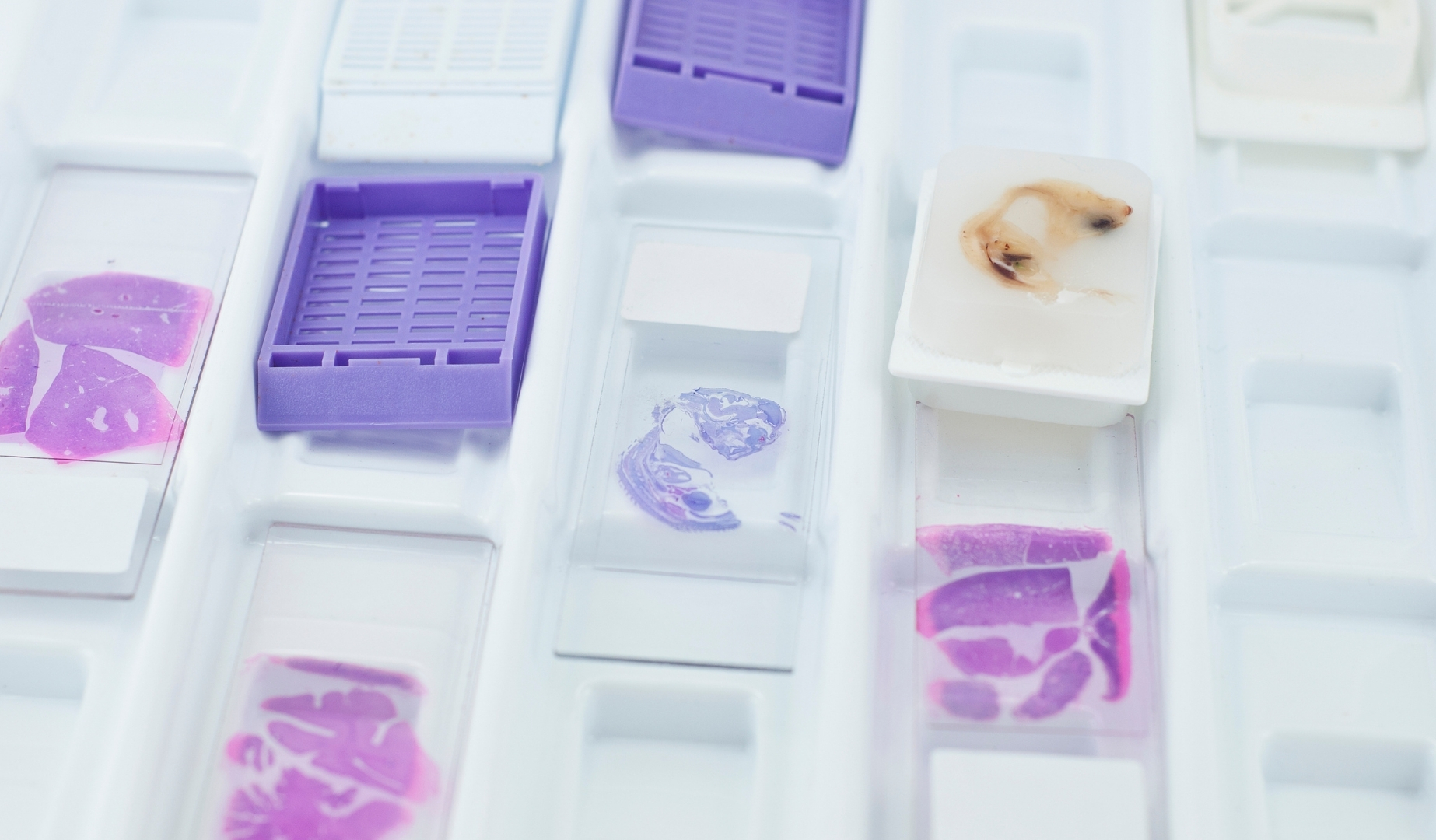
Equally important is the role of biological samples collected and preserved over time. Materials such as cerebrospinal fluid or blood, stored years ago, can be reanalyzed with new techniques, helping researchers identify biomarkers and refine diagnostic tools.
“Through such samples, researchers can identify new biomarkers,” says Bart De Vil. “This is how we have moved toward less invasive diagnostic approaches, such as blood-based indicators for Alzheimer’s disease.”
A sample of Sophie Pycke's father’s cerebrospinal fluid is still preserved today in the IBB neurobiobank. Together with her siblings, she is now considering what new insights today’s techniques might still reveal.
Read the full story in De Morgen (in Dutch)