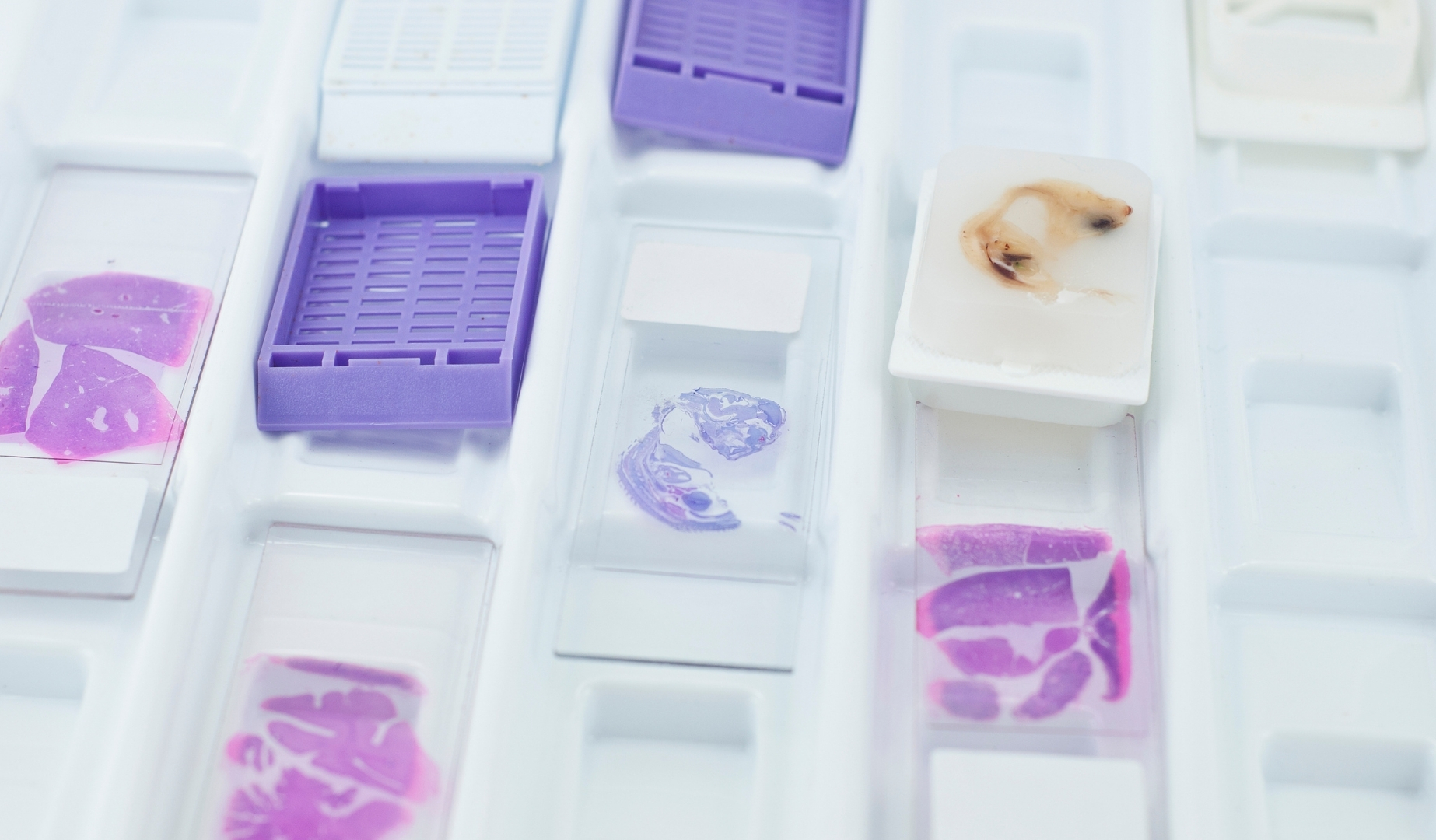
Banking the Brain, is a new Flemish infrastructure initiative that aims to strengthen brain research through better alignment of biobanking, clinical data and digital infrastructure. Partners from across Flanders recently came together in Antwerp for a first in-person consortium meeting, marking an important step in the further development of the initiative.
Banking the Brain brings together universities, hospitals and biobanks to build a shared and future-proof infrastructure for the harmonized collection, integration and reuse of biological samples and associated clinical data related to brain disorders.
Within this broader effort, IBB brings a particularly strong contribution in neuropathology and neurobiobanking. Over decades, the institute has built and curated a unique collection of post-mortem brain tissue and other disease-relevant biomaterials, linked to rich clinical and pathological data. This long-standing expertise makes IBB a key partner in the development of a more connected and reusable research ecosystem.
What makes the IBB contribution distinctive is its clinicopathological continuum: from clinical follow-up and sampling during life, to post-mortem donation, detailed neuropathological characterization, and long-term stewardship of tissue and data. This integrated approach helps ensure that samples are not only available, but also deeply characterized and scientifically meaningful.
Through Banking the Brain, IBB aims to help connect this expertise to a broader federated infrastructure, including a future BioPortal that would make valuable biosamples and associated data more findable, accessible and reusable for researchers across Flanders and beyond. The project recently received strategic approval within the FWO IRI-ESFRI roadmap process and is now moving forward in the next phase of the funding procedure.
“For IBB, this initiative is a natural extension of our mission: to act as a careful steward of donated material, to connect patients and science, and to help turn high-quality human biosamples into new insights, better diagnostics and future treatments.”
- Jonathan Baets, Scientific Director at IBB